
Productivity Hacks That Actually Work
Discover effective productivity hacks that actually work to boost your focus, improve time management, and help you work smarter. Learn practical tips for freelancers and remote workers to get more done without burnout.

Freelancing and remote work offer incredible freedom, but they also demand a high degree of self discipline and effective strategy. Without the structure of a traditional office, it's easy for days to blur, tasks to pile up, and your own productivity to take a hit. The good news is that mastering your output isn't about working harder; it's about working smarter. This guide dives into productivity hacks that actually work, offering practical, actionable advice for anyone looking to enhance their efficiency, manage their time better, and truly work smarter.
Understanding the Core of Productivity
Before we explore specific tactics, it's essential to understand what productivity truly means in the context of independent work. It's not just about doing more things; it's about doing the right things, efficiently and effectively, to achieve your goals. For freelancers and remote workers, this often involves juggling multiple clients, managing your own schedule, marketing your services, and handling administrative tasks – all while maintaining a healthy work life balance.
True productivity is a blend of:
- Focus: The ability to concentrate on a task without distraction.
- Time Management: Strategically allocating your time to complete tasks efficiently.
- Energy Management: Understanding your personal energy cycles and working with them, not against them.
- Prioritization: Identifying and working on the most important tasks first.
- Goal Setting: Having clear objectives to work towards.
Many of the productivity hacks that actually work tap into these fundamental areas, helping you build a sustainable and effective work routine.
Mastering Your Environment for Peak Performance
Your physical and digital surroundings have a profound impact on your ability to focus and get work done. Creating an environment conducive to deep work is one of the most impactful productivity tips you can implement.
The Dedicated Workspace
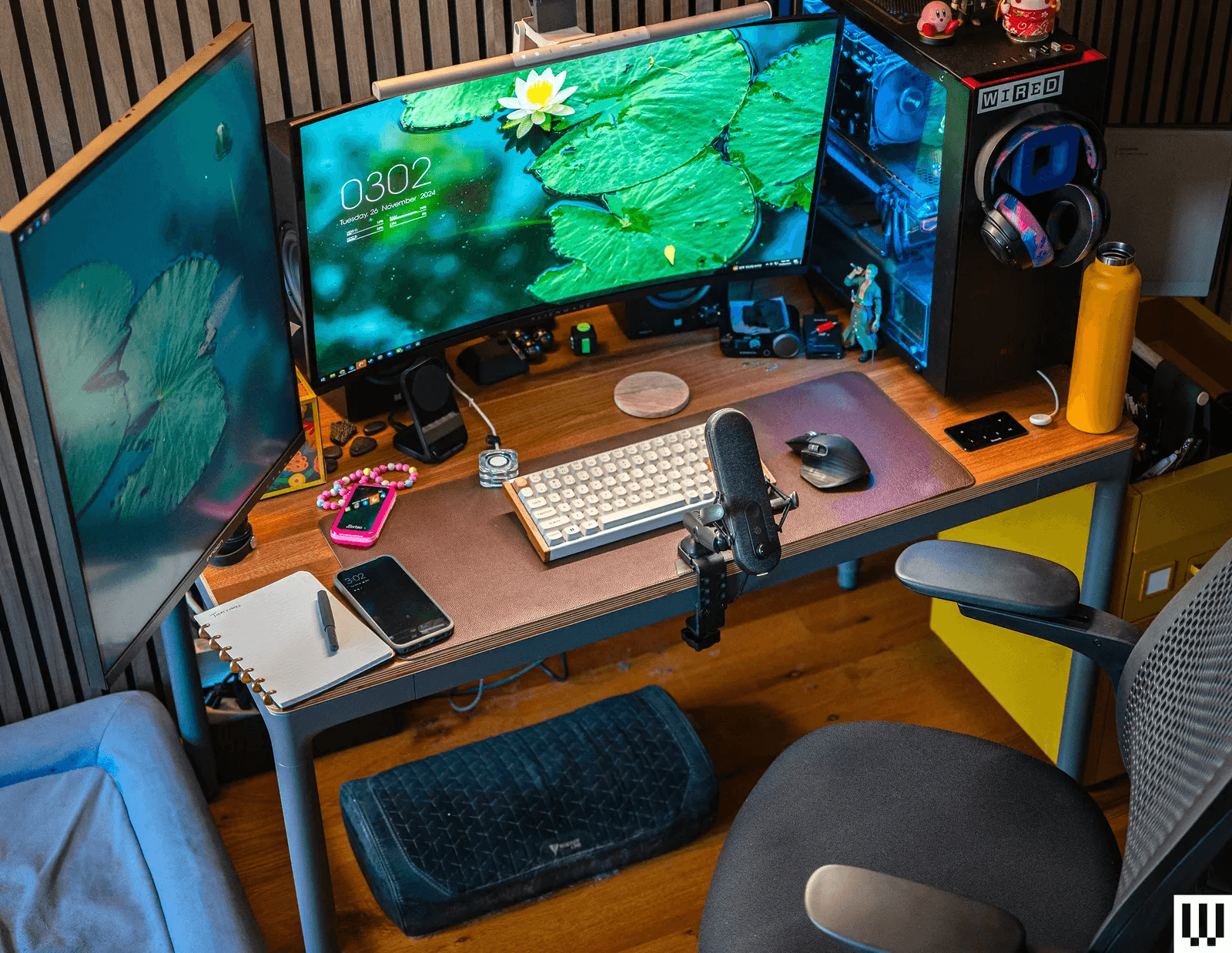
If you work from home, dedicating a specific area solely for work is paramount. This doesn't mean you need a separate office room, though that's ideal. It could be a corner of your living room, a specific desk, or even a particular chair. The key is that this space is associated with work and minimizes distractions from other aspects of your life. When you sit down in your workspace, your brain should shift into work mode. Conversely, when you leave it, you should be able to switch off.
- Action Step: Designate a space. Keep it clean, organized, and equipped with only what you need for work. Avoid using this space for leisure activities like watching TV or scrolling through social media.
Decluttering Your Digital Space
Just as important as a clean physical desk is a clean digital one. A cluttered desktop, an overflowing inbox, and too many open tabs can be a significant source of distraction and mental overhead.
- Action Step: Schedule 15 minutes each week to organize your digital files, clear your desktop, and process your inbox. Use folders and labels effectively. Consider a digital decluttering challenge for yourself.
Minimizing External Distractions
This is where many productivity hacks that actually work come into play. Identify your biggest external distractions and proactively mitigate them.
- Noise: If you live with others, communicate your work hours and needs for quiet. Consider noise cancelling headphones. If ambient noise helps you focus, explore white noise apps or instrumental music playlists.
- Visual Clutter: Keep your workspace tidy. A clear desk can lead to a clearer mind.
- Interruptions: Set boundaries with family, friends, or housemates. Let them know when you are unavailable. If you're expecting an important call, make sure you have a quiet place to take it.

Strategic Time Management Techniques
Effective time management is the bedrock of freelance productivity. It's about making conscious choices about how you spend your hours to maximize output and minimize wasted time.
The Pomodoro Technique
This is a classic for a reason. The Pomodoro Technique involves breaking work into intervals, traditionally 25 minutes in length, separated by short breaks. After four 'Pomodoros', you take a longer break.
- How it works: Set a timer for 25 minutes and work on a single task. When the timer rings, take a 5 minute break. After four cycles, take a 15-30 minute break.
- Why it works: It combats mental fatigue by ensuring regular breaks, makes daunting tasks seem more manageable by breaking them into short sprints, and builds a sense of accomplishment with each completed interval.
- Realistic Tradeoff: Some find the rigid structure challenging or disruptive to deep, uninterrupted creative flow. Experiment with interval lengths to find what works for you.
Time Blocking
Time blocking involves scheduling specific blocks of time for particular tasks or activities on your calendar. Instead of a to do list, you have a schedule.
- How it works: Look at your week and allocate specific time slots for client work, administrative tasks, marketing, breaks, and even personal appointments. Treat these blocks like appointments you cannot miss.
- Why it works: It ensures that important but non urgent tasks get done, provides a clear roadmap for your day, and helps prevent context switching by dedicating focused time to specific types of work.
- Realistic Tradeoff: Life is unpredictable. You may need to be flexible and reschedule blocks when urgent issues arise. Don't let a disrupted block derail your entire day.
The Two Minute Rule
Popularized by David Allen in 'Getting Things Done', this rule is simple yet powerful for overcoming procrastination and clearing small tasks quickly.
- How it works: If a task takes less than two minutes to complete, do it immediately. This applies to emails that can be answered quickly, filing a document, or making a brief phone call.
- Why it works: It prevents small tasks from piling up and becoming overwhelming. It also builds momentum and creates a sense of accomplishment early in your workday.
Cultivating Deep Work and Focus
In today's distraction filled world, the ability to engage in deep work – cognitively demanding tasks performed in a state of distraction free concentration – is a superpower. These productivity hacks are about protecting and enhancing your focus.
Batching Similar Tasks
Context switching, or jumping between different types of tasks, is a major productivity killer. Batching involves grouping similar tasks together and doing them all at once.
- Examples: Respond to all emails in a designated time block, make all your phone calls back to back, or dedicate an afternoon to all your invoicing and bookkeeping.
- Why it works: It allows your brain to stay in a specific mode, reducing the mental effort required to switch gears and improving efficiency.
Strategic Use of Technology
While technology can be a source of distraction, it can also be a powerful ally for productivity.
-
Focus Apps: Tools like Freedom, Cold Turkey, or Forest can block distracting websites and apps for set periods.
-
Task Management Tools: Platforms like Asana, Trello, or Todoist help organize projects and tasks, providing a clear overview and facilitating progress tracking.
-
Note Taking Apps: Evernote, Notion, or OneNote help capture ideas and organize information, keeping your thoughts from cluttering your mental space.
-
Action Step: Identify one area where technology is hindering your productivity and find a tool to help mitigate it. Experiment with different apps until you find one that fits your workflow.
The Power of Single Tasking
Despite the allure of multitasking, research consistently shows that it reduces efficiency and increases errors. Focus on completing one task before moving to the next.
- Why it works: It allows for deeper concentration, higher quality output, and a greater sense of completion. You're less likely to make mistakes when you're fully engaged with a single task.
- Action Step: When you sit down to work, decide on the single most important task you want to accomplish and focus solely on that until it's done or until a planned break.
Energy Management: The Underrated Productivity Hack
Productivity isn't just about time; it's also about energy. Understanding your personal energy cycles and working with them is a crucial, often overlooked, productivity tip.
Identify Your Peak Productivity Times
Are you a morning lark or a night owl? When do you feel most alert, focused, and creative? Most people have natural peaks and troughs in their energy levels throughout the day.
- Action Step: For a week, track your energy levels and your ability to focus. Note down when you feel most productive. Schedule your most demanding tasks for these peak times.
The Importance of Breaks
It sounds counterintuitive, but taking regular breaks actually increases productivity. Your brain needs downtime to process information, recharge, and prevent burnout.
- Types of Breaks: Short breaks (5-10 minutes every hour) are good for resting your eyes and stretching. Longer breaks (30-60 minutes) are essential for stepping away from your work, eating, or engaging in a non work related activity.
- Action Step: Schedule your breaks just as you schedule your work. Make them intentional – get up, move around, step outside if possible.
Prioritizing Sleep and Health
This is arguably the most fundamental productivity hack that actually works. Lack of sleep, poor nutrition, and insufficient exercise severely impair cognitive function, focus, and overall energy.
- Action Step: Aim for 7-9 hours of quality sleep per night. Prioritize healthy meals and snacks. Incorporate regular physical activity into your routine, even if it's just a brisk walk.
Planning and Prioritization Strategies
Knowing what to work on and in what order is crucial for efficient output. These productivity tips help you stay on track.
The Eisenhower Matrix
This tool helps you categorize tasks based on their urgency and importance, allowing you to prioritize effectively.
- Quadrants:
- Urgent & Important: Do it now.
- Important, Not Urgent: Schedule it.
- Urgent, Not Important: Delegate it (if possible).
- Not Urgent, Not Important: Eliminate it.
- Why it works: It forces you to think critically about what truly matters, helping you focus your energy on high impact activities rather than being constantly reactive.
Setting SMART Goals
Setting clear, achievable goals provides direction and motivation. SMART is an acronym for Specific, Measurable, Achievable, Relevant, and Time bound.
- Example: Instead of 'Improve website traffic', a SMART goal would be 'Increase website traffic by 15% in the next quarter by implementing two new SEO strategies and publishing one blog post per week'.
- Why it works: Well defined goals are easier to track, plan for, and achieve, providing a clear sense of progress and accomplishment.
Daily and Weekly Reviews
Regularly reviewing your progress and plans is vital for staying on course and making necessary adjustments.
- Daily Review: At the end of each day, briefly review what you accomplished, what challenges you faced, and what needs to carry over to tomorrow. This sets you up for the next day.
- Weekly Review: At the end of each week, take a broader look at your goals, projects, and overall productivity. What worked well? What could be improved? What are your priorities for the upcoming week?
Overcoming Common Productivity Pitfalls
Even with the best hacks, freelancers and remote workers often encounter common obstacles. Understanding these and having strategies to overcome them is key.
Procrastination
As mentioned, breaking tasks down, using the two minute rule, and setting clear deadlines are effective. Sometimes, simply starting is the hardest part. Commit to working on a task for just five minutes; often, you'll find yourself continuing.
Burnout
Burnout is the enemy of long term productivity. It's crucial to set boundaries between work and personal life, take regular breaks, and ensure you're not overcommitting. Learn to say no when necessary. Prioritize self care.
Perfectionism
While quality is important, striving for unattainable perfection can paralyze you. 'Done' is often better than 'perfect'. Focus on delivering good work within reasonable timeframes.
Lack of Motivation
Connect your daily tasks to your larger goals. Remind yourself why you started freelancing or working remotely. Celebrate small wins. Find an accountability partner.
FAQs
What are the most effective productivity hacks for beginners?
For beginners, starting with simple time management techniques like the Pomodoro Technique, time blocking, and creating a dedicated workspace can make a huge difference. Focusing on one task at a time and learning to say no to non essential requests are also crucial early steps.
How can I improve my focus when working remotely?
Improving focus involves creating a distraction free environment by turning off notifications, using website blockers if necessary, and communicating your work hours to household members. Regular breaks and ensuring you're well rested also play a significant role in maintaining concentration.
Are there any productivity hacks that help with procrastination?
Yes, breaking down large tasks into smaller, manageable steps is a powerful hack against procrastination. The 'two minute rule' (if a task takes less than two minutes, do it immediately) also helps build momentum. Setting clear, achievable daily goals and rewarding yourself upon completion can also be effective.
Conclusion: Sustainable Productivity for the Long Haul
Implementing productivity hacks that actually work isn't about finding a magic bullet. It's about building a consistent system of strategies that support your focus, time management, and overall well being. Experiment with these techniques, adapt them to your unique work style and circumstances, and remember that sustainable productivity is a marathon, not a sprint. By focusing on working smarter, not just harder, you can achieve your freelance and remote work goals while maintaining a healthy and fulfilling life. Keep refining your approach, and you'll find yourself more efficient, more focused, and more satisfied with your work.
Frequently Asked Questions
What are the most effective productivity hacks for beginners?
For beginners, starting with simple time management techniques like the Pomodoro Technique, time blocking, and creating a dedicated workspace can make a huge difference. Focusing on one task at a time and learning to say no to non-essential requests are also crucial early steps.
How can I improve my focus when working remotely?
Improving focus involves creating a distraction free environment by turning off notifications, using website blockers if necessary, and communicating your work hours to household members. Regular breaks and ensuring you're well rested also play a significant role in maintaining concentration.
Are there any productivity hacks that help with procrastination?
Yes, breaking down large tasks into smaller, manageable steps is a powerful hack against procrastination. The 'two minute rule' (if a task takes less than two minutes, do it immediately) also helps build momentum. Setting clear, achievable daily goals and rewarding yourself upon completion can also be effective.
FAQ
What are the most effective productivity hacks for beginners?
For beginners, starting with simple time management techniques like the Pomodoro Technique, time blocking, and creating a dedicated workspace can make a huge difference. Focusing on one task at a time and learning to say no to non-essential requests are also crucial early steps.
How can I improve my focus when working remotely?
Improving focus involves creating a distraction free environment by turning off notifications, using website blockers if necessary, and communicating your work hours to household members. Regular breaks and ensuring you're well rested also play a significant role in maintaining concentration.
Are there any productivity hacks that help with procrastination?
Yes, breaking down large tasks into smaller, manageable steps is a powerful hack against procrastination. The 'two minute rule' (if a task takes less than two minutes, do it immediately) also helps build momentum. Setting clear, achievable daily goals and rewarding yourself upon completion can also be effective.
Cypex CloudBook
Part of the Cypex CloudBook editorial team focused on practical guides for freelancers, remote workers, and digital professionals.
Related tools
Time Tracker
Track billable hours, focus sessions, client work, and daily totals with a lightweight browser-based timer.
free time tracker
Related guides
Related posts
Top Remote Jobs for Beginners in 2026 (No Experience Required)
Looking for remote jobs with no experience? This complete guide shows you how to start working from home and earn online step by step.

Work From Home Jobs That Pay Weekly
Discover legitimate work from home jobs that pay weekly, offering consistent income for freelancers and remote workers. Learn about popular roles, how to find them, and strategies to secure your spot.

Workflow Automation for Beginners
Discover how simple workflow automation can transform your freelance or remote work. This beginner's guide covers essential concepts, easy-to-use automation tools, and practical examples to get you started today.