
Mastering Your Day: The Ultimate Daily Routine for Remote Workers
Build a powerful daily routine for remote workers that boosts focus, energy, and consistency. Discover practical habits to make your work from home experience more productive and fulfilling.

The allure of remote work is undeniable: no commute, flexible hours, and the comfort of your own space. Yet, for many, this freedom can quickly morph into a chaotic blur, where productivity plummets and the boundaries between work and life dissolve. The secret weapon for thriving as a remote worker isn't more coffee or a fancier setup; it's a well-defined Daily Routine for Remote Workers. This isn't about rigid, military-style schedules, but about creating a predictable rhythm that supports focus, energy, and overall well-being. Let's dive into crafting a remote work routine that helps you work smarter, not just harder.
The Foundation: Why Structure Matters in a Fluid Environment
When you're your own boss or working from a home office, the external cues that dictate a traditional workday are gone. There's no office clock to signal the start or end, no colleagues to observe, and no commute to mentally transition you. This lack of structure can lead to procrastination, overworking, or feeling constantly overwhelmed. A deliberate work from home routine acts as your personal anchor, providing:
- Clarity and Focus: Knowing what to do and when helps direct your energy effectively.
- Motivation Boost: Small wins achieved through a routine build momentum.
- Boundary Setting: It helps define when work starts and, crucially, when it ends.
- Reduced Decision Fatigue: Automating certain aspects of your day frees up mental energy for more important tasks.
- Improved Well-being: Incorporating breaks, movement, and personal time prevents burnout.
Think of your daily routine productivity as a personalized operating system for your workday. It's designed to optimize your unique workflow and personal needs.
Building Your Ideal Remote Work Routine: From Sunrise to Sunset
The most effective remote work routine is one that is tailored to your individual chronotype, work demands, and lifestyle. While there's no one-size-fits-all solution, certain principles and components are universally beneficial.
The Morning Ritual: Setting the Tone for Success
Your morning sets the stage for the entire day. Rushing out of bed and straight to your computer can leave you feeling reactive and unfocused. A well-crafted morning routine helps you transition into work mode with intention.
1. Consistent Wake-Up Time
Even if you don't have to be anywhere, waking up around the same time each day, even on weekends, helps regulate your body's natural sleep-wake cycle (circadian rhythm). This consistency can lead to better sleep quality and more stable energy levels throughout the day. Aim for a wake-up time that allows you to comfortably incorporate your morning activities before your workday officially begins.
2. Hydration and Nourishment
Start your day with a glass of water to rehydrate after sleep. Then, focus on a nutritious breakfast. This isn't about a restrictive diet; it's about fueling your brain and body for sustained energy. Avoid sugary cereals or pastries that can lead to a mid-morning crash. Opt for complex carbohydrates, protein, and healthy fats like eggs, oatmeal with berries and nuts, or a smoothie with greens and protein powder. This conscious fuel intake is a critical part of your daily routine productivity.
3. Mindful Movement or Reflection
This is where you can inject personal well-being into your remote work routine. It could be:
- Light Exercise: A brisk walk, yoga, stretching, or a short home workout. Physical activity gets your blood flowing, improves mood, and can shake off grogginess.
- Meditation or Deep Breathing: Even five minutes of mindfulness can reduce stress and improve focus for the day ahead.
- Journaling: Writing down your thoughts, gratitude, or intentions can provide clarity and set a positive mindset.
- Reading: Engaging with something enjoyable and non-work-related can be a refreshing start.
The key is to do something that energizes or calms you, rather than immediately diving into emails or social media.
4. Prepare Your Workspace
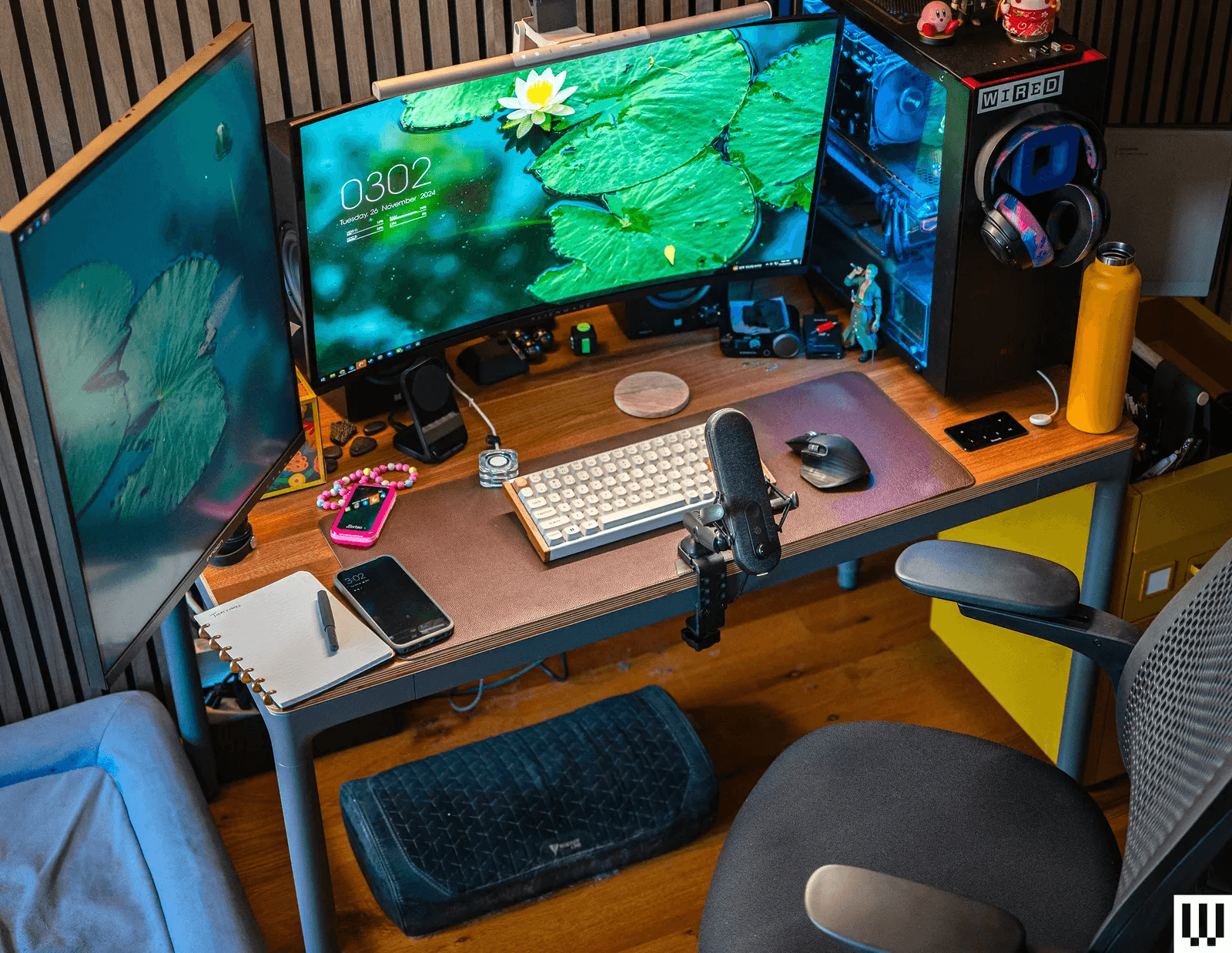
Before you officially 'start' work, take a few minutes to prepare your physical workspace. This might involve tidying your desk, opening blinds to let in natural light, ensuring your computer is ready, and gathering any materials you'll need. This small act creates a mental distinction between your personal space and your work zone, even if they are in the same room. This is a foundational step for any effective work from home routine.
The Workday: Structuring for Peak Performance
Once your morning routine is complete, it's time to transition into your focused work periods. The goal here is to manage your time effectively and maintain momentum.
1. Define Your Work Blocks
Instead of working in unstructured chunks, define specific blocks of time for focused work. Many remote workers find success with techniques like the Pomodoro Technique (25 minutes of work followed by a 5-minute break) or longer, 90-minute focused sprints. Identify your most productive hours and schedule your most demanding tasks during those times. This is a core principle of time management for remote workers.
- Example: If you're a morning person, tackle complex coding or writing projects from 9:00 AM to 11:30 AM. Schedule meetings and administrative tasks for the afternoon when your energy might be lower.
2. Strategic Breaks
Breaks are not a sign of slacking; they are essential for sustained productivity. Regular, short breaks prevent mental fatigue and eye strain. What you do during your break matters. Avoid scrolling through social media, which can be draining. Instead:
- Get Up and Move: Stretch, walk around your home, or step outside for fresh air.
- Hydrate: Refill your water bottle.
- Engage Your Senses: Listen to a song, look out the window, or have a healthy snack.
- Connect Briefly: Send a quick, non-work-related message to a friend or family member.
These micro-breaks recharge your brain and help you return to your tasks with renewed focus. This is a practical application of work smarter principles.
3. Batching Similar Tasks
To improve efficiency, group similar tasks together. This reduces the mental switching cost between different types of work.
- Example: Dedicate a specific block of time for responding to emails, another for making phone calls, and another for creative work. This prevents constant context switching, which is a major productivity killer for remote workers.
4. Minimize Distractions
Distractions are the arch-nemesis of the remote worker. Identify your biggest distractions and implement strategies to combat them.
- Notifications: Turn off non-essential email, social media, and app notifications during focused work blocks.
- Environment: If possible, create a dedicated workspace that is free from household noise and clutter. Use noise-canceling headphones if needed.
- Communication: Set clear expectations with family or housemates about your work hours and when you need uninterrupted time. Consider using a 'Do Not Disturb' sign.
This proactive approach to managing your environment is key to a successful daily routine productivity.
The Midday Reset: Recharging for the Afternoon
Your lunch break is more than just a pause; it's an opportunity to truly disconnect and recharge.
1. Step Away from Your Workspace
Crucially, do not eat lunch at your desk. If possible, go for a short walk, sit in a different room, or step outside. This physical separation reinforces the break and helps you return to work feeling refreshed rather than just having paused.
2. Mindful Eating
Focus on your meal. Eat slowly and savor the food. This mindful approach can improve digestion and make the break more restorative.
3. Incorporate Light Activity or Social Connection
If you have time, use part of your lunch break for a quick burst of activity, a brief chat with a friend or family member (in person or virtually), or to engage in a short, enjoyable hobby. This mental shift is vital for sustaining energy and preventing burnout.
The Afternoon Wind-Down: Transitioning Out of Work
Just as important as starting your workday intentionally is ending it intentionally. This helps prevent work from spilling into your personal life and ensures you get adequate rest.
1. Review and Plan
Before you shut down your computer, take 10-15 minutes to review what you accomplished today and plan for tomorrow. Note down any outstanding tasks or priorities for the next workday. This acts as a mental 'save' button, allowing you to switch off without worrying about forgetting tasks.
2. Create a 'Shutdown Ritual'
Develop a consistent ritual to signal the end of your workday. This could involve:
- Closing all work-related tabs and applications.
- Tidying your workspace.
- Putting away your work laptop.
- Physically leaving your workspace, if possible.
This ritual helps your brain disengage from work and transition into relaxation mode.
3. Engage in Non-Work Activities
Once work is done, consciously engage in activities that you enjoy and that help you relax and recharge. This could be spending time with family, pursuing hobbies, exercising, reading, or simply unwinding.
Evening Routine: Preparing for Rest and Renewal
Your evening routine is just as critical for a daily routine productivity that includes rest and recovery.
1. Limit Screen Time Before Bed
The blue light emitted from screens can interfere with melatonin production, making it harder to fall asleep. Aim to put away electronic devices at least an hour before bedtime. If you must use screens, consider using blue light filters.
2. Wind-Down Activities
Engage in calming activities that signal to your body it's time to rest. This might include reading a physical book, taking a warm bath, listening to calming music, or gentle stretching.
3. Consistent Bedtime
Similar to your wake-up time, try to go to bed around the same time each night. This reinforces your sleep-wake cycle and contributes to better overall health and energy levels.
Flexibility Within Structure: The Key to Sustainability
It's vital to remember that your remote work routine doesn't need to be rigid. Life happens. Some days will be more demanding, some will be slower. The goal is to build a flexible framework that allows for adjustments while maintaining the core principles of structure, breaks, and boundaries.
- Listen to Your Body: If you're feeling burnt out, it's okay to adjust your schedule, take an extra break, or even shift tasks around. Pushing through exhaustion is rarely productive in the long run.
- Adapt to External Demands: If you have unexpected client calls or personal appointments, adapt your work blocks accordingly. The underlying structure will help you get back on track quickly.
- Review and Refine: Periodically (e.g., weekly or monthly), review your remote work routine. What's working well? What needs tweaking? Is it still serving your goals and well-being? This iterative process ensures your routine remains effective.
Common Pitfalls to Avoid in Your Daily Routine for Remote Workers
- No Dedicated Workspace: Working from your bed or couch blurs lines and can lead to poor posture and lack of focus.
- Constant Connectivity: Feeling the need to be 'on' 24/7 leads to burnout. Set clear working hours.
- Skipping Breaks: This is a fast track to decreased productivity and mental exhaustion.
- Neglecting Physical Health: Lack of movement and poor nutrition will impact your energy and mood.
- Working in PJs All Day: While a perk, getting dressed, even casually, can signal a shift into 'work mode'.

FAQs for Remote Workers and Their Routines
Q: Why is a daily routine important for remote workers? A: A daily routine provides structure and predictability, which are crucial when the lines between work and personal life can easily blur. It helps remote workers stay focused, manage their time effectively, maintain motivation, and prevent burnout. By establishing consistent habits, you create a framework that supports productivity and well-being.
Q: What are the key components of a good remote work routine? A: Key components include a consistent wake-up time, a dedicated workspace, planned work blocks, regular breaks, physical activity, healthy meals, and a clear end to the workday. It's also important to incorporate personal time for hobbies, social connection, and relaxation.
Q: How can I stay productive with a remote work routine? A: Productivity is enhanced by minimizing distractions, prioritizing tasks, using time management techniques like the Pomodoro Technique, and taking strategic breaks. Setting clear goals for each day and week, and reviewing progress, also contributes significantly.
Q: What if my remote work schedule needs to be flexible? A: Flexibility is a major benefit of remote work. Your routine doesn't have to be rigid. Instead, focus on establishing core habits and time blocks that work for you. If your work demands vary, create a flexible framework that allows for adjustments while still ensuring essential tasks are completed and boundaries are maintained.
By implementing these strategies and consciously building a daily routine for remote workers, you can transform your remote work experience from chaotic to controlled, productive, and ultimately, more fulfilling. It's about creating a sustainable rhythm that allows you to work smarter and live better.
Frequently Asked Questions
Why is a daily routine important for remote workers?
A daily routine provides structure and predictability, which are crucial when the lines between work and personal life can easily blur. It helps remote workers stay focused, manage their time effectively, maintain motivation, and prevent burnout. By establishing consistent habits, you create a framework that supports productivity and well-being.
What are the key components of a good remote work routine?
Key components include a consistent wake-up time, a dedicated workspace, planned work blocks, regular breaks, physical activity, healthy meals, and a clear end to the workday. It's also important to incorporate personal time for hobbies, social connection, and relaxation.
How can I stay productive with a remote work routine?
Productivity is enhanced by minimizing distractions, prioritizing tasks, using time management techniques like the Pomodoro Technique, and taking strategic breaks. Setting clear goals for each day and week, and reviewing progress, also contributes significantly.
What if my remote work schedule needs to be flexible?
Flexibility is a major benefit of remote work. Your routine doesn't have to be rigid. Instead, focus on establishing core habits and time blocks that work for you. If your work demands vary, create a flexible framework that allows for adjustments while still ensuring essential tasks are completed and boundaries are maintained.
FAQ
Why is a daily routine important for remote workers?
A daily routine provides structure and predictability, which are crucial when the lines between work and personal life can easily blur. It helps remote workers stay focused, manage their time effectively, maintain motivation, and prevent burnout. By establishing consistent habits, you create a framework that supports productivity and well-being.
What are the key components of a good remote work routine?
Key components include a consistent wake-up time, a dedicated workspace, planned work blocks, regular breaks, physical activity, healthy meals, and a clear end to the workday. It's also important to incorporate personal time for hobbies, social connection, and relaxation.
How can I stay productive with a remote work routine?
Productivity is enhanced by minimizing distractions, prioritizing tasks, using time management techniques like the Pomodoro Technique, and taking strategic breaks. Setting clear goals for each day and week, and reviewing progress, also contributes significantly.
What if my remote work schedule needs to be flexible?
Flexibility is a major benefit of remote work. Your routine doesn't have to be rigid. Instead, focus on establishing core habits and time blocks that work for you. If your work demands vary, create a flexible framework that allows for adjustments while still ensuring essential tasks are completed and boundaries are maintained.
Cypex CloudBook
Part of the Cypex CloudBook editorial team focused on practical guides for freelancers, remote workers, and digital professionals.
Related tools
Time Tracker
Track billable hours, focus sessions, client work, and daily totals with a lightweight browser-based timer.
free time tracker
Related guides
Related posts
Top Remote Jobs for Beginners in 2026 (No Experience Required)
Looking for remote jobs with no experience? This complete guide shows you how to start working from home and earn online step by step.

Work From Home Jobs That Pay Weekly
Discover legitimate work from home jobs that pay weekly, offering consistent income for freelancers and remote workers. Learn about popular roles, how to find them, and strategies to secure your spot.

Workflow Automation for Beginners
Discover how simple workflow automation can transform your freelance or remote work. This beginner's guide covers essential concepts, easy-to-use automation tools, and practical examples to get you started today.